We remain fully operational. Our teams are working around the clock to ensure your deliveries continue safely.

قم بتنزيل التطبيق


معلومات عنا
حقوق الطبع والنشر © 2024 Desertcart Holdings Limited
قم بتنزيل التطبيق


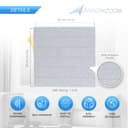

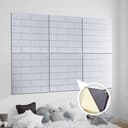
🧱 Silence never looked this sharp.
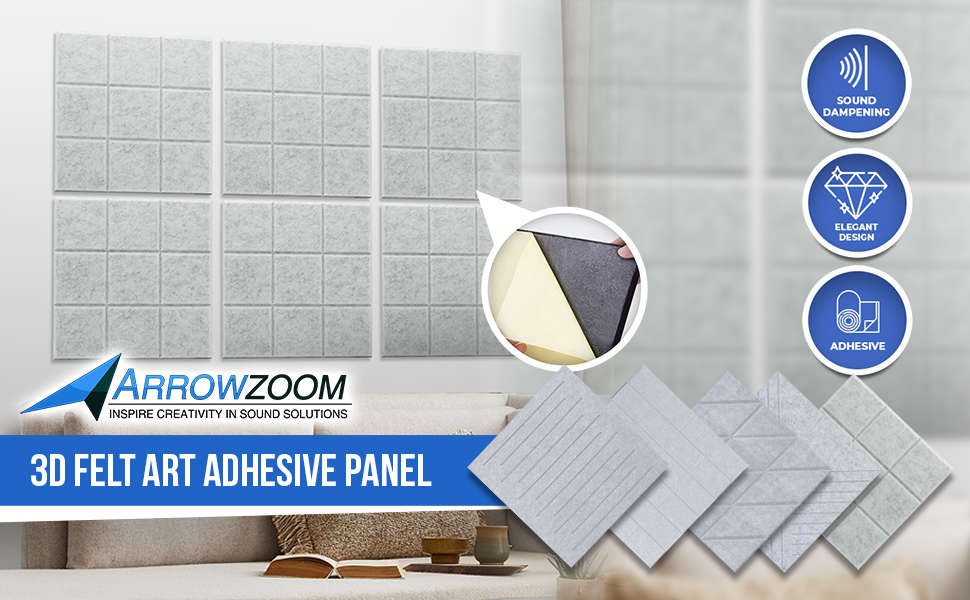
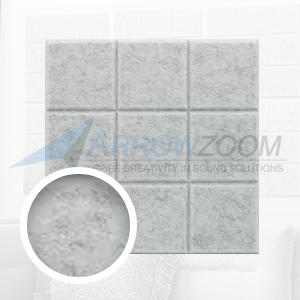
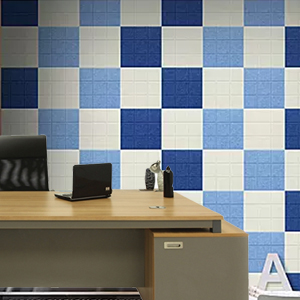
Arrowzoom Black Brick Acoustic Panels are 12x12 inch peel-and-stick soundproofing tiles designed to reduce noise and enhance room aesthetics with a modern 3D brick look. Ideal for studios, offices, and living spaces, these lightweight panels offer easy DIY installation and effective high-frequency sound absorption, making them a stylish and practical solution for noise control.
| Customer Reviews | 4.3 out of 5 stars 6 Reviews |
J**S
Colors are vibrant and add a fun pop of color to my room!!
I am absolutely thrilled with these colorful soundproof panels! Not only do they look great in my living room, NCR is 0.8 with before and after install but they have also made a tremendous difference in reducing noise levels. I live in a busy apartment complex, and these panels have helped to block out a lot of the unwanted noise from my neighbors. The installation process was a breeze - I was able to easily mount them on my walls using the included hardware. The panels are lightweight and easy to handle, so the installation took no time at all. Overall, I would highly recommend these soundproof panels to anyone who wants to reduce noise levels in their home while also adding a stylish touch to their decor. They are affordable, effective, and easy to install
T**.
Adhesion misses the mark, otherwise fine. Overpriced.
I wanted to like these. I've now reviewed a handful of these panels, and I liked the look of these. However, they sure are the thinnest of the panels I've reviewed, and they aren't the sturdiest, either. It's funny because you can see in the picture before I installed them that even there, the edge is bending a little, just from humidity. This is probably the reason they didn't stick to my wall for a very long time. I've reviewed others where people have said they didn't stick, yet I had no problems. I clean the wall and then apply. Unfortunately it didn't work for these. Not sure. Other than that, they will help with high frequencies, but these are thin and light--two opposite traits for sound absorption. These help a bit with reverberation/reflections, but certainly don't expect any reduction in bass/midbass. Also, you can buy twice as many of these for the same price, or buy objectively better ones for cheaper. I really appreciate the chance to review these but I have to be honest, as well. These would be moved up to four stars if they were half the current price. 3 stars, thank you!
C**.
A brief study of acoustic panels
I've been testing various kinds of sound proofing for my small home studio. My test included this product. In testing I used a Real Time Frequency analyzer along with an RTA microphone and a pink noise generator. I've tested various products that included this one so this will be a review of the various types of panels and which ones were the most effective. First thing to know is that while you can typically dampen sound with walls panels being able to say you have "sound proofed" them is a stretch. NONE of the products I've tested will completely sound proof a room. To truly sound proof a room requires more than just adding certain kinds of acoustic treatment to your walls. Sound proofing begins with how the wall it actually built and acoustic panels are a part of the entire package that it takes to sound proof a room. What acoustic panels WILL do for you is dampen sound with different types of panels doing a better job at different frequencies. This review will describe in general how well different panels perform and which characteristics indicate better performance. So, I've tested multiple types of panels and the ones that perform the best have several things on common. First off the better performing panels are ones that are thicker. In fact, for overall sound dampening the thicker the better. I tested panels that were anywhere from 1/8 inch think up to several inches thick and thicker was always better across all frequencies. Thinner panels were able to deal with higher frequencies fairly well but didn't help as much on lower frequencies. Almost all the panels did well as far as reflection of sound went but here again the thicker ones performed better than the thinner ones. The type of material, while some were slightly better than others, didn't seem to have as much of an influence as the over all thickness of the panels. The second most influential was the texture or "shape" of the outward facing part of the panel. Some panels had pyramid shapes, some had brick type shapes and some had no "shapes" to them at all. Over all the pyramid shapes were far ahead of other any other panel. The embossed brick shapes came in second and the panels with no shapes on them coming in last. Here again, a thicker "smooth" panel generally did better than a thinner embossed or pyramid shaped texture. However, a thinner panel with the Pyramid shaped on their outward service once again out performed a thicker one that wasn't shaped. However, once a panel reached over an inch of thickness the effectiveness of the shape or texture of the panel began to be less important. Lastly the type of material was taken into account. A good thick "foam" type panel out performed pretty much everything and was the most effective on lower frequencies AND did a great job with higher frequencies. Thinner foam panels lost a lot of their ability to deal with lower frequencies but still did a good job with higher frequencies especially if they were textured. In general most of the panels that I've tested did a pretty good job on higher frequencies. Foam types were again better here but the difference between those and more of a fiber type material was not a whole lot different. Again, those panels with some sort of shape on them were slightly better than ones that did not. With all that said there are a lot of other factors to consider. Placement of the panels being the main one. Taking the time to study your room, walk around it and listen to the difference in different areas of the room will give you a lot of information about where to place your panels. However, you can still choose more decorative styles of panels and place them where you think they'll look the best and still have some positive results. My testing was all done to improve my home studio and some of the panels tested were nice enough that they could be used as decorative pieces and still help with the acoustics of your room. NONE of the acoustic panels I tested just completely failed. In fact, I was a little surprised at how the thinner panels did over all. They were almost equally effective at higher frequencies the main difference being that the pyramid shapes out performed everything across the entire spectrum. Any panel you buy is going to make some sort of difference and the more of the panels you can put up the better off you're going to be. Choose a panel that looks nice for places where it will be seen and you can supplement them with thicker ones in places that are not quite so obvious to look at. My only big recommendation is that any acoustic treatment you use should include some thicker panels to help contain lower frequencies. I hope this all helps. This has been a fun and educational experience for me and I enjoy sharing this information with you.
F**E
I like the style and self adhesive.
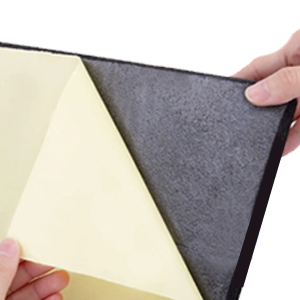
These acoustic panels are a little more involved than regular acoustic panels. First, they are designed for soundproofing and are made of durable polyester. They come in a variety of colors and styles. I have the 6 pcs brick and will use them for sound dampening. They have a self-adhesive back making them easy to use. Second, they are fire retardant and eco-friendly. By the way, I like the design and the adhesive back allows me to explore how I want them displayed.
J**R
Nice panels
Good adhesive and they look nice too
M**R
A helpful product
These sound-insulating panels have are a good quality and easy to apply. The only drawback is that some of the paper backing didn't come off cleanly in the removal process. They still adhere to the wall, though.
ترست بايلوت
منذ أسبوعين
منذ أسبوع