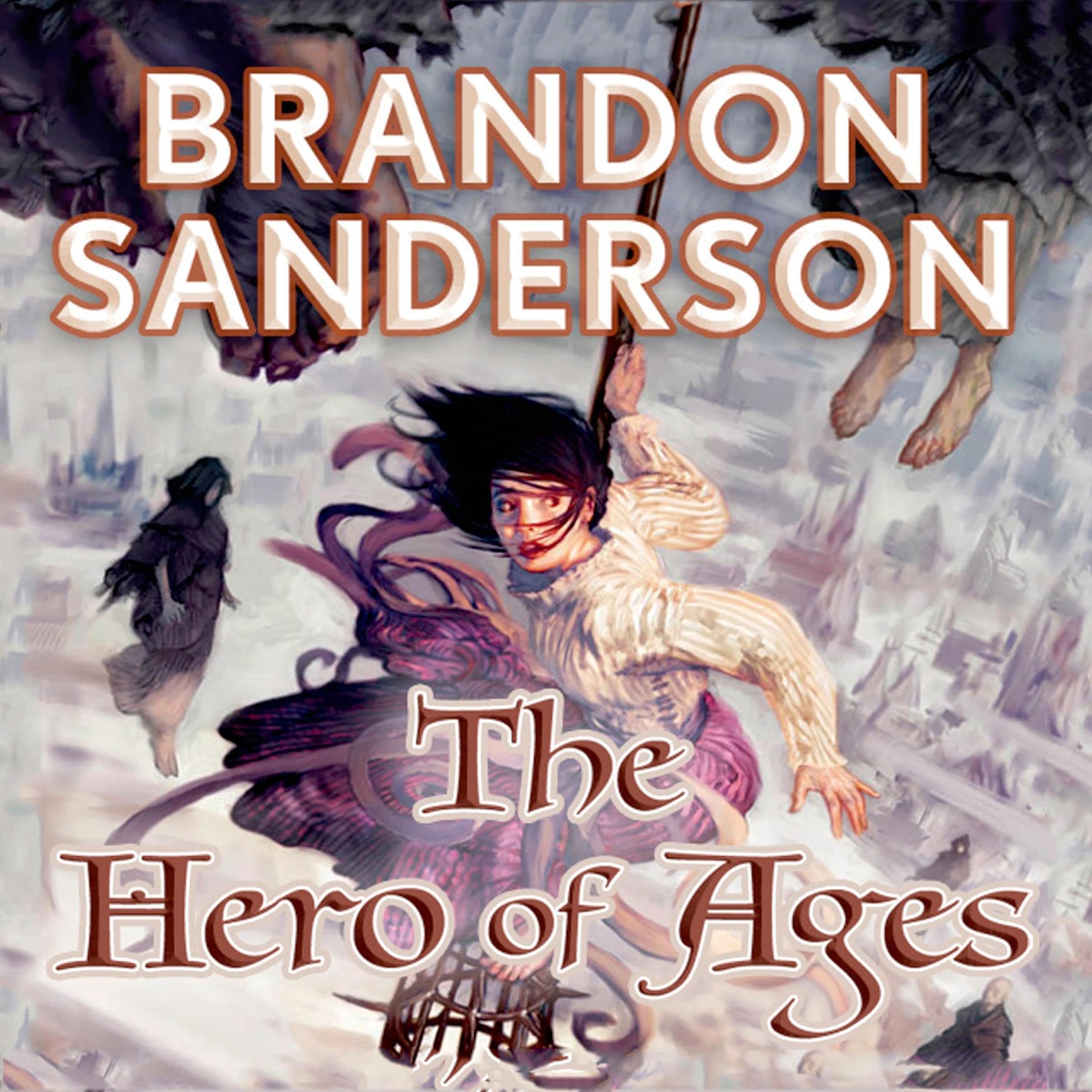
The Hero of Ages: Mistborn, Book 3
Product ID: 15673813
Buy anything from 5,000+ international stores. One checkout price. No surprise fees. Join 2M+ shoppers on Desertcart.
Desertcart purchases this item on your behalf and handles shipping, customs, and support to KUWAIT.
desertcart.com: The Hero of Ages: Mistborn, Book 3 (Audible Audio Edition): Brandon Sanderson, Michael Kramer, Macmillan Audio: Audible Books & Originals Review: Phenomenal wrap-up to the trilogy - Brandon Sanderson’s The Hero of Ages, the third book in the original Mistborn trilogy, had me on the edge of my seat from start to finish. This final installment masterfully brings together the intricate world-building, magic system, and character arcs that have been carefully laid out in the first two books. Vin and Elend are faced with their most daunting challenge yet—saving a world that is unraveling due to the unintended consequences of Vin’s earlier victory over the Lord Ruler. The gods Ruin and Preservation, locked in an eternal battle, manipulate the world through their influence over human and humanoid agents, adding complexity to an already tense struggle. The stakes are astronomical, and Sanderson does a brilliant job of keeping the tension high while expanding on the philosophical and theological themes underpinning the story. One of the standout aspects of this book was Spook’s expanded role. Having mostly been a side character in the first two books, he unexpectedly takes center stage in several key moments—though not always in ways that he realizes. His arc, deeply tied to Ruin’s manipulations, was both fascinating and nerve-wracking to watch unfold. I especially appreciated how Sanderson handled Spook’s evolution, showing both his strengths and vulnerabilities. However, I did feel a twinge of disappointment when the street slang that had been so frequently referenced throughout the series didn’t end up playing a more pivotal role in the final battle. As someone who enjoys the intricacies of language—especially slang—I would have loved to see it serve as a crucial turning point in Ruin’s downfall. Beyond the action and character development, The Hero of Ages delves deeply into the religious systems that have formed around Ruin, Preservation, and the Survivor of Hathsin. Sanderson’s exploration of faith, belief, and divinity is fascinating, as he presents a system that echoes certain elements of Christianity and other real-world religions while still feeling wholly unique. I appreciated that, while the themes of sacrifice and destiny were present, the story never felt like a direct allegory to existing religious narratives. Instead, Sanderson crafts something fresh—thought-provoking without being preachy. As much as I loved this book and felt it was a fantastic conclusion to the trilogy, I find myself hesitant to move on to the next era of Mistborn. The upcoming books take place 300 years after these events, and I’ve grown so attached to Vin, Elend, and the rest of the crew that I’m reluctant to leave them behind. However, Sanderson has proven himself an exceptional storyteller, so I will no doubt have to see if the later books capture the same magic. Overall, The Hero of Ages is a phenomenal wrap-up to the trilogy. The intricate plotting, deep world-building, and satisfying character arcs make it a must-read for fantasy fans. Sanderson not only ties up the loose ends of the story but also leaves behind a world that feels rich enough to keep exploring. If you’ve come this far in the series, this book will not disappoint. Review: Work or Art... Top tier story telling - I’ve never been so upset for a series to end—and I mean that in the best way possible. Mistborn: The Hero of Ages by Brandon Sanderson is a masterclass in how to wrap up a trilogy. Every piece of groundwork laid in the previous books pays off here. Nothing is wasted. The pacing, the tension, the emotional weight—it's all there and it hits hard. This book sits on the same level of hype and payoff as Star Wars: Episode III. You feel the stakes in your bones. Every chapter pushes you forward, and just when you think you’ve figured it out, Sanderson hits you with another twist. I never saw the ending coming—not like that. Ruin, as a villain, is brilliant. His manipulation of the world, of history, of people—it’s terrifying in its precision. The scope of his plan and how deeply it was embedded in the world’s structure? Absolutely chilling. Watching Vin piece together what’s truly happening—and what her role has to be—is both tragic and inspiring. Her journey comes full circle in a way that feels earned. And what happens with her and Elend at the end? Brutal. Beautiful. Devastating. It hit me square in the feelers. But Sazed. Sazed. I did not expect that ending. For him to be the Hero of Ages? That caught me completely off guard—and yet, in hindsight, it was perfectly set up. Subtle, poetic, powerful. Spook’s arc deserves praise too. From background player to a leader worthy of legacy, his growth was satisfying to watch. This book doesn’t just answer all the questions—it answers them right, sometimes in ways you didn’t know you needed. It ties off a trilogy that redefined what fantasy can be. Solid 10/10. If you haven’t read the Mistborn series yet, fix that. You’re missing out.
K**M
Phenomenal wrap-up to the trilogy
Brandon Sanderson’s The Hero of Ages, the third book in the original Mistborn trilogy, had me on the edge of my seat from start to finish. This final installment masterfully brings together the intricate world-building, magic system, and character arcs that have been carefully laid out in the first two books. Vin and Elend are faced with their most daunting challenge yet—saving a world that is unraveling due to the unintended consequences of Vin’s earlier victory over the Lord Ruler. The gods Ruin and Preservation, locked in an eternal battle, manipulate the world through their influence over human and humanoid agents, adding complexity to an already tense struggle. The stakes are astronomical, and Sanderson does a brilliant job of keeping the tension high while expanding on the philosophical and theological themes underpinning the story. One of the standout aspects of this book was Spook’s expanded role. Having mostly been a side character in the first two books, he unexpectedly takes center stage in several key moments—though not always in ways that he realizes. His arc, deeply tied to Ruin’s manipulations, was both fascinating and nerve-wracking to watch unfold. I especially appreciated how Sanderson handled Spook’s evolution, showing both his strengths and vulnerabilities. However, I did feel a twinge of disappointment when the street slang that had been so frequently referenced throughout the series didn’t end up playing a more pivotal role in the final battle. As someone who enjoys the intricacies of language—especially slang—I would have loved to see it serve as a crucial turning point in Ruin’s downfall. Beyond the action and character development, The Hero of Ages delves deeply into the religious systems that have formed around Ruin, Preservation, and the Survivor of Hathsin. Sanderson’s exploration of faith, belief, and divinity is fascinating, as he presents a system that echoes certain elements of Christianity and other real-world religions while still feeling wholly unique. I appreciated that, while the themes of sacrifice and destiny were present, the story never felt like a direct allegory to existing religious narratives. Instead, Sanderson crafts something fresh—thought-provoking without being preachy. As much as I loved this book and felt it was a fantastic conclusion to the trilogy, I find myself hesitant to move on to the next era of Mistborn. The upcoming books take place 300 years after these events, and I’ve grown so attached to Vin, Elend, and the rest of the crew that I’m reluctant to leave them behind. However, Sanderson has proven himself an exceptional storyteller, so I will no doubt have to see if the later books capture the same magic. Overall, The Hero of Ages is a phenomenal wrap-up to the trilogy. The intricate plotting, deep world-building, and satisfying character arcs make it a must-read for fantasy fans. Sanderson not only ties up the loose ends of the story but also leaves behind a world that feels rich enough to keep exploring. If you’ve come this far in the series, this book will not disappoint.
M**N
Work or Art... Top tier story telling
I’ve never been so upset for a series to end—and I mean that in the best way possible. Mistborn: The Hero of Ages by Brandon Sanderson is a masterclass in how to wrap up a trilogy. Every piece of groundwork laid in the previous books pays off here. Nothing is wasted. The pacing, the tension, the emotional weight—it's all there and it hits hard. This book sits on the same level of hype and payoff as Star Wars: Episode III. You feel the stakes in your bones. Every chapter pushes you forward, and just when you think you’ve figured it out, Sanderson hits you with another twist. I never saw the ending coming—not like that. Ruin, as a villain, is brilliant. His manipulation of the world, of history, of people—it’s terrifying in its precision. The scope of his plan and how deeply it was embedded in the world’s structure? Absolutely chilling. Watching Vin piece together what’s truly happening—and what her role has to be—is both tragic and inspiring. Her journey comes full circle in a way that feels earned. And what happens with her and Elend at the end? Brutal. Beautiful. Devastating. It hit me square in the feelers. But Sazed. Sazed. I did not expect that ending. For him to be the Hero of Ages? That caught me completely off guard—and yet, in hindsight, it was perfectly set up. Subtle, poetic, powerful. Spook’s arc deserves praise too. From background player to a leader worthy of legacy, his growth was satisfying to watch. This book doesn’t just answer all the questions—it answers them right, sometimes in ways you didn’t know you needed. It ties off a trilogy that redefined what fantasy can be. Solid 10/10. If you haven’t read the Mistborn series yet, fix that. You’re missing out.
C**R
Very highly recommended! Completely satisfied with the conclusion to the Mistborn Trilogy.
Sanderson's highly-original fantasy saga regains top marks with the final volume, THE HERO OF AGES. While the lack of a central antagonist, political squabbles, and loosening of restrictions on the magic system had resulted in a disappointing book two of the series, this one met the high standards we've developed for works of Brandon Sanderson. In THE HERO OF AGES, the politics are over and the heros are faced with a near-impossible challenge. Ruin has been released from his prison in the Well of Ascension, and has begun his work to destroy the world. Ash clogs the air, earthquakes and volcanoes destroy the land, and the mist kills. As a sentient force, Ruin once again fulfills the role of the story's Great Antagonist, a spot left empty since the death of the Lord Ruler. The Mistborn series truly comes full circle In this final volume of the trilogy, and by the end of the book you'll feel that you've heard the whole story. Very few loose ends and a final-seeming conclusion after a solid and resounding finale leave you rewarded and satisfied. Like most Sanderson books, THE HERO OF AGES keeps you guessing with unexpected twists and surprising changes that shift the direction of the story. The characters continually change, and the challenges they face are not static, but endlessly evolving. In this book, Vin, Eland, Spook, and Sazed all fully mature, accepting their destinies and the people they need to become if the world is to survive. Sazed's quest to find the true religion takes center stage in THE HERO OF AGES, and while parts of that effort become repetitive, the masterful weaving of religion into the core of the story gives this final book something unique from the rest of the series. Still, strong characters and a wonderfully-developed setting are what earn the Mistborn trilogy a place in the very top of epic fantasy sagas. Overall, THE HERO OF AGES ranks well ahead of The Well of Ascension and slightly behind The Final Empire. Allomancy, the magic system first described in The Final Empire, helped define Sanderson's new world and vault him up into the top-tier fantasy authors. The system was so compelling and well-developed as to be described by myself and others as the best magic system in all of epic fantasy. A system that was defined by strict rules and an almost scientific nature, allomancy was no mystical power that the hero must simply master in order to save the world, but a tool that certain people could use in predictable and limited ways. In The Well of Ascension, Sanderson focused on the uses and "science" of feruchemy, the previously-mysterious ability of Terris Keepers to store powers or memories in metal objects. He also expanded the used of Allomancy, notably with the discovery of duralumin, which in a way removed much of the limits from the magic and made Vin seem completely unstoppable. In THE HERO OF AGES, a third magic takes the spotlight, that of hemalurgy. This is a dark magic focused on the transfer of allomantic abilities from one individual to another by the use of a metal spike. It partially explains the spikes in the eyes of the steel inquisitors, and also gives Ruin the tool he needs to influence the world. Hemalurgy is another wonderfully well-developed system, and completes the magic system as a whole while explaining some of the mysteries that had persisted since the beginning of the series. While this marks the conclusion to the Mistborn Trilogy, there is another book, The Alloy of Law, set in the same fantasy universe, but taking place a few hundred years in the future of the events from THE HERO OF AGES. I have not had the pleasure of reading it yet, but judging from the reviews, it is well worth adding to your list of Brandon Sanderson books to read.
C**E
It seems rare a trilogy gets better with each book but this one just keeps getting better & better!!! So good!! Interesting, unique, compelling and everything ties up SO well. The trilogy as a whole is a masterpiece & this third book really brings it home!
T**I
Snabb leverans och bra pris. Bra bokserie, väl värd att resa
B**R
Seit den dramatischen Ereignissen und der Freisetzung der zerstörerischen Macht Ruin in „The Well of Ascension“ ist ein weiteres Jahr vergangen, und auch zu Beginn von „The Hero of Ages“, dem dritten und abschließenden Band der ersten „Mistborn“-Trilogie von Brandon Sanderson, ist die Situation für Vin, Elend und ihre Mitstreiter nach wie vor hoffnungslos. Während das Final Empire mit jedem neuen Tag immer mehr in sich zerfällt, Tod und Asche das Land überziehen und Ruin unaufhaltsam wütet, klammern sich die Helden der Reihe an ihre letzte Hoffnung und durchkämmen jeden Winkel des Reiches nach Hinweisen auf die heimlichen Atium-Vorräte des in „The Final Empire“ gestürzten Lord Rulers, ohne die das Ende der Welt kaum noch aufzuhalten zu sein scheint. Und wenn man sieht, wie selbst die einst so kämpferischen und optimistischen früheren Rebellen immer mehr mit der alles einnehmenden Hoffnungslosigkeit kämpfen, dann muss man sich als Leser schon große Sorgen um einen glücklichen Ausgang dieser Geschichte machen. Zwar beginnt „The Hero of Ages“ gleich zu Beginn mit einer actionreichen Schlacht zwischen Menschen und einer schier übermächtigen Koloss-Armee, dennoch geht es in der ersten Hälfte des erneut über 700 Seiten umfassenden Buches im Vergleich zum direkten Vorgänger mit seinen vielen kleinen und aufregenden Handlungssträngen deutlich ruhiger zu. Die Geschichte ist in dieser Phase sehr nachdenklich geraten und die Charaktere sind vorrangig damit beschäftigt, die Hoffnung nicht zu verlieren und sich selbst immer wieder zu hinterfragen. Elend ist als Herrscher damit beschäftigt, den richtigen Mittelweg zwischen gerechtem Anführer und unnachgiebigem Eroberer zu finden, denn um das Reich noch zu retten, werden von ihm viele unpopuläre Entscheidungen verlangt, die immer wieder auch unschuldige Opfer fordern. Vin hingegen stellt ihre Rolle in der uralten Prophezeiung in Frage und ist oft von Selbstzweifeln geplagt, zudem macht ihr nach wie vor ihre fatale Entscheidung am Ende des zweiten Buches zu schaffen. Und selbst ein zuvor so unerschütterlicher Charakter wie der Gelehrte Sazed scheint nach seinem schweren persönlichen Verlust den Glauben verloren zu haben und versucht verzweifelt Sinn und Trost in uralten Schriften und Religionen zu finden. Zu dieser inneren Konflikten gesellen sich zudem die offensichtlichen Vorboten des Endes der Welt, denn auch die Atmosphäre der Geschichte wird kontinuierlich immer düsterer und bedrückender: alles ist von einer dichten Aschedecke überzogen, die sämtliches Leben unter sich begräbt, Pflanzen und Nahrungsmittel bekommen kaum noch Sonnenlicht ab und wachsen nicht mehr und auch der Nebel wird immer dichter und gefährlicher – während andere Autoren in ihren Büchern immer wieder auf die drohende Apokalypse hinweisen müssen, hat man bei Brandon Sanderson hingegen das Gefühl, das man den Untergang der Welt tatsächlich am eigenen Leib erlebt und die Niedergeschlagenheit und Furcht der Charaktere sich auch auf die Leser überträgt. Was Sanderson dann aber in der zweiten Hälfte abliefert, lässt sich kurz und knapp mit einem einzigen Word beschreiben: Perfektion. Es ist unglaublich, wie der Autor nach und nach alle Puzzleteile ineinander fügt und dabei immer wieder in der Lage ist, seine Leser nicht nur zu überraschen, sondern völlig vor den Kopf zu stoßen – und das, obwohl selbst bei genauerer Betrachtung alles jederzeit absolut logisch ist und keine inhaltliche Wendung alleine des Effektes wegen erfolgt. Hier ist wirklich in jedem Satz zu erkennen, dass Brandon Sanderson seine Geschichte von Anfang an bis ins kleine Detail ausgearbeitet hat und nicht einfach nur von Buch zu Buch gedacht hat. Wie scheinbar nichtige Details aus dem ersten Band plötzlich im späten Verlauf eine bedeutende Rolle einnehmen und wirklich JEDES noch so kleines Element sich perfekt in das Große und Ganze einfügt, habe ich in einer derart überwältigen Form in meinem Leserleben erst ein einziges Mal erlebt: beim Lesen der Harry-Potter-Reihe von J.K. Rowling. Egal wie schlimm, niederschmetternd und herzzerreißend die Geschichte in vielen Momenten auch sein mag – man möchte im gleichen Moment aufspringen und applaudieren, weil Sandersons Erzählkunst einfach nur grandios und unglaublich faszinierend ist. Es ist ebenso beeindruckend, wenn man nach dem Ende der Trilogie noch einmal auf alles zurückschaut und sieht, wie Sanderson über drei Bücher hinweg die Komplexität seiner Geschichte fast spielerisch und für seine Leser kaum spürbar immer weiter gesteigert hat: Während alles in „The Final Empire“ mit einer sehr guten und packenden, aber zugleich auch überaus einsteigerfreundlichen Geschichte begann, das Magiesystem noch recht einfach gehalten wurde und auch der Schauplatz geografisch doch noch sehr beschränkt wurde, wurden das Handlungskonstrukt in „The Well of Ascension“ mit vielen aufregenden Nebensträngen immer weiter ausgearbeitet, die nun in „The Hero of Ages“ alle, aber auch wirklich alle, auf überragende Art und Weise zusammengeführt werden. Zudem darf man nun endlich auch das Final Empire ausgiebig bereisen und überall Zeuge der voranschreitenden Zerstörung und Hoffnungslosigkeit werden. Auch bei der Charakterentwicklung kann man vor Brandon Sanderson nur den Hut ziehen, denn es ist unglaublich faszinierend zu sehen wie sich die (überwiegend unfreiwilligen) Helden über die drei Bücher hinweg verändern und reifen – hier gibt es keine simple Schwarz/Weiß-Malerei, sondern jede Figur wird früher oder später vor unmöglich scheinende und moralisch sehr schwierige Entscheidungen gestellt und muss an diesen Erfahrungen wachsen. Dabei bleibt ihr Handeln aber jederzeit nachvollziehbar und Sanderson schafft es sogar, dass man selbst das Verhalten der Feinde immer verstehen kann – oft müssen Elend und Vin sogar selbst realisieren, dass ihre Widersacher auch nur ihren Überzeugungen folgen und nach bestem Wissen und Gewissen handeln. Ich könnte diese Lobhudelei noch einige Absätze weiterführen, man kann es aber auch ganz einfach auf den Punkt bringen: Die zweite Hälfte von „The Hero of Ages“ ist vielleicht das Beste, was ich in meinem Leben gelesen habe und ich habe noch nie erlebt, dass eine derart komplexe und epische Geschichte so überwältigend und hundertprozentig zufriedenstellend zu Ende geführt wurde. Der Abschluss der ersten „Mistborn“-Trilogie ist atemberaubend, schockierend, erschütternd, tieftraurig, aber zugleich auch einfach unglaublich erfüllend und lässt einen trotz aller seelischen Schmerzen irgendwie glücklich zurück – wenngleich man vermutlich erst einmal in ein kleines Loch fällt und Angst hat, dass man nie wieder so ein gutes Buch lesen wird. Dabei fällt es auch in keinster Weise negativ ins Gewicht, dass die erste Hälfte des Buches vom Tempo her eher verhalten ausfällt – bis zur Mitte gehört das Buch den Charakteren, anschließend brennt Sanderson dann in Sachen Story ein wahres Feuerwerk ab. Man sollte auch auf keinen Fall den Fehler machen, sich als Fantasy-Muffel von den insgesamt rund 2000 Seiten der drei Bücher abschrecken zu lassen – Sandersons Epos ist jede einzige davon wert und beinhaltet unabhängig vom Genre alles, was eine gute Geschichte ausmacht. „The Final Empire“ war sehr gut, „The Well of Ascension“ grandios und „The Hero of Ages“ perfekt – wer diese Reihe nicht liest, ist selbst schuld.
T**D
The item was damaged even though it wasn’t cheap
S**D
Exactly what I wanted! いいです。
Trustpilot
3 weeks ago
5 days ago