
Desertcart purchases this item on your behalf and handles shipping, customs, and support to KUWAIT.
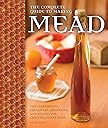
Some stories suggest that mead was originally discovered when one of our not-yet-upright forebears stuck their hand in a fermenting bee hive and came away with a honeycomb containing a little more than they bargained for. Whatever the truth, brewers have brought this beverage into the twenty-first century, and you can rest assured that The Complete Guide to Making Mead is a thoroughly up-to-date, modern, and authoritative guide to homemade mead. Best of all, it has something for everyone, from the stone-cold beginner to the seasoned veteran. Award-winning mead-maker Steve Piatz begins with a brief history of the fermented beverage; a rundown of the various types of mead; and a discussion of the many types of honey that are available, their characteristics, and where to source them. Readers will be treated to discussions of yeast and special ingredients, as well as what equipment is necessary and reccomended and an illustrated and detailed look at the basic process. Readers will also discover advanced techniques, such as oaking, clarifying, aging, spicing, and blending. There are even sections on developing recipes and troubleshooting problems with the brewing process.With more than 100 color photos, The Complete Guide to Making Mead includes dozens of recipes for basic meads (honey only), melomels (honey and fruit), metheglins (honey and spices), and braggots (honey and malt). Review: The Almost Complete Guide -- highly recommended - My hunch is that most first-time meadmakers are already experienced at either homebrewing or winemaking. So this book -- that tries to be complete yet is also written for the person without any of this experience -- spends a lot of time on some fairly elementary details for such folks, but lacks really in-depth discussions on some of the questions that are likely to pop up, especially as the meadmaker wants to try anything beyond the most elementary. My first meadmaking read was Ken Schramm's "The Compleat Mead Maker," but that is over 10 years old now and is now dated. So it isn't that one author knows more than the other, because both are recognized as experts in the meadmaking arena. In that respect, I rate Piatz's book as better because it is newer and covers subjects such as degassing and staggered nutrient additions that aren't covered in Schramm's older book. Yet I really wish that Piatz's book would have gone into more detail of the underlying logic of some procedures (such as these) so that I could make judgments as to whether his "typical" approach would work in all instances or in mine. I highly recommend buying this book because it touches on just about every topic that I could imagine, although I did find it particularly lacking on the small little matter of oxygenating musts. While this might not be relevant to the first-time meadmaker that has also never made beer or wine, most experienced homebrewers will have the equipment to do this and routinely use pure oxygen on high-gravity worts. In short, buy this book if you're interested in meadmaking, but still be prepared to surf the net and/or ask questions of homebrewing or winemaking friends that have experience making mead. Review: Highly Recommended - Steve Piatz is a retired electrical engineer, a Grandmaster Beer Judge, award winning beer and mead brewer and the American Homebrewers Association 2008 Mead maker of the year. Steve covers the essentials, providing an overview of the history of mead, the different types of honey and mead, key ingredients, what kinds of yeast to use, how to make mead, how to finish it, and package it. He finishes the book with sections on advanced techniques, how to develop recipes, provides several example recipes, and concludes with a chapter on troubleshooting. What I find most fascinating about this book is how well Steve conveys the attention to detail and the technique of an award winning homebrewer and how brewing is both an art and a science. For that reason even homebrewers who never intend to make mead will benefit from this book. Steve writes clearly enough for the novice to follow and provides enough tricks of the trade and insights from his long brewing experience to reward the more experienced homebrewer. The book is beautifully photographed and laid out, well organized, and well written. I highly recommend it.
| Best Sellers Rank | #1,255,657 in Books ( See Top 100 in Books ) #242 in Beer (Books) #626 in Wine (Books) #782 in Homebrewing, Distilling & Wine Making |
| Customer Reviews | 4.6 out of 5 stars 393 Reviews |
A**N
The Almost Complete Guide -- highly recommended
My hunch is that most first-time meadmakers are already experienced at either homebrewing or winemaking. So this book -- that tries to be complete yet is also written for the person without any of this experience -- spends a lot of time on some fairly elementary details for such folks, but lacks really in-depth discussions on some of the questions that are likely to pop up, especially as the meadmaker wants to try anything beyond the most elementary. My first meadmaking read was Ken Schramm's "The Compleat Mead Maker," but that is over 10 years old now and is now dated. So it isn't that one author knows more than the other, because both are recognized as experts in the meadmaking arena. In that respect, I rate Piatz's book as better because it is newer and covers subjects such as degassing and staggered nutrient additions that aren't covered in Schramm's older book. Yet I really wish that Piatz's book would have gone into more detail of the underlying logic of some procedures (such as these) so that I could make judgments as to whether his "typical" approach would work in all instances or in mine. I highly recommend buying this book because it touches on just about every topic that I could imagine, although I did find it particularly lacking on the small little matter of oxygenating musts. While this might not be relevant to the first-time meadmaker that has also never made beer or wine, most experienced homebrewers will have the equipment to do this and routinely use pure oxygen on high-gravity worts. In short, buy this book if you're interested in meadmaking, but still be prepared to surf the net and/or ask questions of homebrewing or winemaking friends that have experience making mead.
A**S
Highly Recommended
Steve Piatz is a retired electrical engineer, a Grandmaster Beer Judge, award winning beer and mead brewer and the American Homebrewers Association 2008 Mead maker of the year. Steve covers the essentials, providing an overview of the history of mead, the different types of honey and mead, key ingredients, what kinds of yeast to use, how to make mead, how to finish it, and package it. He finishes the book with sections on advanced techniques, how to develop recipes, provides several example recipes, and concludes with a chapter on troubleshooting. What I find most fascinating about this book is how well Steve conveys the attention to detail and the technique of an award winning homebrewer and how brewing is both an art and a science. For that reason even homebrewers who never intend to make mead will benefit from this book. Steve writes clearly enough for the novice to follow and provides enough tricks of the trade and insights from his long brewing experience to reward the more experienced homebrewer. The book is beautifully photographed and laid out, well organized, and well written. I highly recommend it.
N**.
Helped a lot!
This book helped me tremendously on getting started making mead. I’m now working on a company because of this book.
C**R
Great book for beginner or experienced meadmaker
This is a great book for the beginner as well as experienced mead maker. The author goes into detail about theory and techniques of mead making to understand the process but also has a quick practical step by step guide to get you going on your first batch. I've been making mead for years, but I constantly go back and reference this book. Highly recommend it, especially for someone who wants to start making mead but slightly intimidated by the process.
R**O
Good Reference Book on Mead
This is a very well writing book on making mead. The author goes into great detail regarding all aspects of the process starting with ingredients and equipment and procedures. It is quite comprehensive and makes a good reference book for making mead. I would have like to see actual detailed recipes, however, where the use of spices is concerned. The author only goes into general detail as to the relative amounts of some of the spices that are suggested for mead. Other that that, I found the book to be a good book for both beginners and the more-experienced wine makers.
M**E
THE "how to" book for the home mead maker!
Steve Piatz is a wealth of knowledge when it comes to mead. While Ken Schramm's book "The Compleat Mead Maker" has lots of great information on mead, it lacked some of the up to date process on how to make mead. This book fills that gap, and gives step by step instructions on how to make great mead. In 2010 I attended the National Homebrew Competition in Minneapolis. At that time, I received a 3 page handout called "Making Mead the Easy Way" authored by Steve Piatz. After reading that 3 page "how to," applying what I read and making a lot of mead I won "Mead Maker of the Year" in 2014. This is THE Complete Guide to Making Mead.
D**L
Great information
Well, just starting out in mead making, this book is full of very valuable information and tips and tricks to get started.
A**D
A good Meade book, has most of what you'll need
I bought & reviewed Ken Schramm's "The Compleat Meadmaker" 10 years ago, probably why Amazon suggested this one to me. Both books seem to be top picks for mead making books, and this book (Piatz mentions Schramm and his book in the intro… wish I could remember where my copy is so I could compare the two) does seem to be good for just about anyone with start to finish detail including troubleshooting. With careful reading, taking good notes along the way, I think maybe anyone could make the different types of mead described (with sample recipes). Piatz does seem to leave off equipment details, not much beyond nice photos and a little text for the various bits of equipment. He seems to think "get it at your home brew supply store" is close enough, the resource page in the back is mostly honey and yeast. I think the tools and ingredients are described well enough that you can find it here at Amazon if you can't locate a store. I also thought he was a little vague in his use of water and fruit juice- especially the juices but could probably get the job done if I ever get around to using the book. Good book, worth owning.
A**R
excellent
great product and service
N**.
Lo que esperaba
Llegó muy bien empaquetado y rápido
C**M
Une mine d'or
Les ressources françaises sur l'hydromel, à l'heure actuelle sont de mauvaise qualité. Alors que ce livre est une mine d'or avec énormément d'informations essentielles (les types de miels, les levures, les nutriments, la fermentation, les fruits, des recettes etc..) Il est très accessible pour ceux qui sont réticent à cause de l'anglais !
A**R
Five Stars
A very in depth read on how to go about the mead making process. its informative and engaging.
F**A
Muito bom
Ótimo livro de referência, apesar de ainda achar o do Ken Schramm.
Trustpilot
3 weeks ago
1 week ago