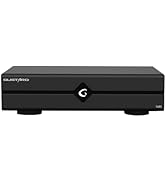
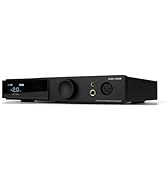
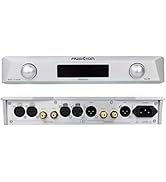
🎧 Unlock Pro-Level Audio Clarity & Connectivity — Don’t Just Hear It, Feel It!
The SMSL PS100 is a compact digital-to-analog audio converter featuring a high-performance ES9023 DAC chip and support for up to 192kHz audio resolution. It offers versatile connectivity options including USB, HDMI ARC, optical, and coaxial inputs, making it ideal for enhancing sound from PS5, HDTVs, Blu-Ray players, and computers. Designed for easy setup and portability, the PS100 delivers cleaner, richer audio output through stereo RCA, perfect for home cinema and professional-grade listening experiences.


| ASIN | B0CDWHG7YF |
| Best Sellers Rank | #47,701 in Industrial & Scientific ( See Top 100 in Industrial & Scientific ) #66 in Signal Converters |
| Brand | AOSHIDA |
| Date First Available | August 8, 2023 |
| Interface Type | Coaxial, HDMI, Optical, USB |
| Item Weight | 3.17 ounces |
| Item model number | PS100 |
| Manufacturer | SMSL |
| Material | tile |
| Number of Channels | 1 |
| Number of Pins | 27 |
| Product Dimensions | 4.13"L x 3.15"W |
| Upper Temperature Rating | 30 Degrees Celsius |
K**W
Great value DAC!
Of course! Here's a quick positive review for the SMSL PS100: --- If you're looking for a simple, no-fuss upgrade to your computer or TV's audio, the SMSL PS100 is a total gem. This tiny DAC punches way above its price tag. Plugged it in between my laptop and powered speakers, and the difference was immediate—cleaner highs, a more defined soundstage, and zero background noise. It just makes everything sound more "real" and less digital. Setup took 30 seconds (USB in, RCA out), and it works flawlessly. For the money, it’s an astonishingly effective way to get high-quality audio out of a basic digital source. An easy 5-star recommendation for anyone dipping their toes into better sound.
I**Y
Awesome but can be painful...
I struggled but ultimately gave this a 5 star and this more of a "How To"/"Do & Don't" Guide than a "review". TL;DR: I think this is an absolute steal for price and features but ARC is a pain to set up/keep working (probably extra problematic for "smarter" TVs like my LG C4). In the end, I was able to figure it out after much experimenting and hopefully the pain is behind me once I can "set it and forget it". I have not tried using coaxial input but tried Bluetooth, optical and USB inputs a few times. HDMI ARC is what I tried the most. I can't really say much about audio quality... It sounds fine to me and I can't tell if there is any difference from direct optical cable going into my Yamaha RX-V3800 receiver vs HDMI/optical going into this then feeding RCA into my receiver which ultimately drives a set of Klipsch RP-600M II speakers. I also didn't really try that hard to stress the DAC on this unit. There is conflicting/misleading information on volume control... I think it is technically correct that you can not change the volume of the connected devices but I can mute or reduce the volume of the RCA output with TV remote so it effectively gives me limited volume control with TV remote in the end (this is the main thing I want out of all this). Customer service did get back to me with a fairly detailed answer but still a rather generic answer (not that I included TV model in the inquiry). Here is my experience/recommendations with a LG C4 TV: 1. unplug all HDMI ports 2. plug compatible ARC/eARC HDMI cable into eARC HDMI port (HDMI2 for in this case) 3. connect other end of the cable to unit (PS: make sure HDMI input is selected on unit) 4. TV should say something like checking HDMI2 device 5. change/make sure TV is set to use wired speakers/HDMI 6. under advanced settings, select PCM under digital out settings and turn off eARC support (DO NOT change anything else) (PS: it also worked for me leaving eARC on...) 7. unplug HDMI cable from unit and plug back in 8. TV should say something like checking HDMI2 device again 9. power off TV (ideally unplug TV even as it sometimes go into standby mode rather than truly powered off) 10. power off unit (hold power button for a few seconds)... been doing this so long I totally forgot about making sure unit has HDMI selected also... 11. power back on unit (press power button) 12. plug TV back in and power it back on For initial setup you might be able to optimize the ordering/steps here but this is what I do when things stop working and is what is most fresh in my mind so... Now TV should say a soundbar is connected to HDMI2. Going forward, unit does need to be on before TV whenever you turn off TV. Otherwise if TV is turned on with unit off, you'll need to turn off TV and turn TV back on. Problems I have seen with my LG C4: a. having other HDMI ports connected can interfere with the setup/"paring" process b. plugging back in other HDMI ports sometimes cause the LG C4 TV to revert to default settings c. checking sound settings help but often times there is no visible change in TV settings d. changing other HDMI input settings also seem to cause problems Hope this helps at least one other person out there but maybe it is just for me to remember how to make it work specific to the LG C4?
J**N
Works well when it works, quirky
This is my first experience with an hdmi dac / audio extractor, so I'm not 100% sure if the problems I'm having are par for the course or not, but I've encountered a few issues with this item not working how I'd expect at least: 1) the lights on the front turn off after a while and clicking the input-selector button doesn't re-awake them. It still seems to function properly with the input that had been selected when the lights went off, but at that point there's no way to see what input it's set for without powering it off and back on, which leads us to... 2) when the device is powered off it loses memory of what volume it had been set at before. So if 100% is really loud as it should be, and the volume typically sits at 50% for normal listening volume, then you have to keep this device powered on 100% of the time or else you'll randomly wake the neighborhood when it turns out something in the background is playing audio when you power it up 3) At least on our TV, a 7 year old Sony, when we turn the TV volume up or down it moves in incriments of 6 whereas before this device with audio being output from the headphone port to an amp, volume went in increments of 1. So there's much larger jumps in audio level each time we hit the volume now. This may just be normal for these types of devices, I'm not sure 4) Today audio just stopped completely. We didn't want to power cycle it for reason #2 above, but cycling through the inputs was difficult for reason #1 above. I don't know why this happened either which is concerning, we've only been using the device about 2 days so far. When I clicked the input button the first time the TV popped up saying that it changed back to TV speakers from external speakers - seeming to indicate that the TV was doing what it's supposed to be doing and the problem was with this device not processing the audio it was being sent. Went we clicked it enough times the TV returned to saying it was sending to external audio device, so again the TV seemed to be doing things right here and we've never had a problem with external speakers on this TV in the 7 years we've had it. If this issue continues we'll probably send the device back as it's just too much to deal with especially with the other issues.
O**R
A fantastic little DAC and I would recommend it if you are looking for a simple, but effective DAC. The sound is perfectly fine for casual, no fuss use. The bluetooth connection is reliable and clear.
N**D
Premessa (la premessa è lunga ma fa capire perché scegliere questo prodotto rispetto ad altri, se avete fretta potete saltare al verdetto) Ero alla ricerca di un DAC per collegare un lettore Bluray ultra economico e ultra compatto a un sistema KEF Picoforte, che fornisce l'adeguato zerbino musicale alle giornate di smart working (la foto ha lo scopo di illustrare il prodotto). A dispetto delle dimensioni, il sistema KEF suona bene, si tratta di un classico ampli in classe D da 2x35W, in grado di gestire un Subwoofer, abbinato alle casse KHT1005.2 che utilizzano la stessa tecnologia Uni-Q presente negli altoparlanti hi-fi di KEF. Al piccolo KEF era collegato un FiiO D3 a cui a sua volta in cascata c'è un WiiM mini, connesso con cavo ottico. Alla catena WiiM - FiiO - KEF si è aggiunto un lettore Bluray, il cui solo scopo è quello di riprodurre CD musicali. E il Bluray ha solo uscita HDMI. E quindi torniamo all'oggetto della recensione e al motivo dell'acquisto. Confezione essenziale, all'interno c'è il DAC, il cavo USB per l'alimentazione e un cavo HDMI (bene, così non devo acquistarlo, nel lettore ovviamente non c'è), il manuale, la garanzia. L'apparecchio è leggerissimo, completamente di plastica (il FiiO pesa di più, ma perché in metallo), di primo acchito lascia perplessi: potrebbe essere vuoto all'interno e non ne sarei stupito. Connessioni: tante tutte, forse di più. HDMI, Ottico, coassiale, USB, insomma più di quelle a me necessarie. La seconda foto mostra tutto quello che l'apparecchio è in grado di gestire. Una volta collegati i cavi - attenzione, lo spazio è ristretto, se avete cavi di grossa sezione .. beh, qui non servono, usateli altrove, che bastano i classici bianco/nero da qualche euro... dicevo, una volta collegati i cavi, accendo il sistema. Silenzio ah, giusto, devo premere sul selettore posto sul frontale .. uno due tre (ma quanti ingressi ci sono?) ecco che arriva il suono. Qualche prova con i miei CD preferiti, poi passo al WiiM con Tidal e qualche file dal NAS. Verdetto. Fa egregiamente il suo lavoro, cioè estrarre l'audio da HDMI e portarlo in analogico sul KEF, stessa cosa per l'audio del WiiM. Mi sembra faccia un lavoro migliore rispetto al DAC integrato nel WiiM, buona profondità e buona ricostruzione della scena musicale - non è impastato, confuso, anzi. le voci e gli strumenti sono dove devono stare. Non ho provato - e non proverò - la connessione USB del pc e la connessione BT (dimenticavo, c'è anche quella) perché non mi interessano. Il cambio di modalità è rapidissimo, basta premere il pulsante sul frontale. Non fa per nulla rimpiangere il FiiO D3, DAC con cui si può paragonare. Non scalda, per il poco che l'ho usato fino ad ora non mi ha dato problemi. Per gioco, l'ho messo a confronto con un DAC Cambridge Audio (il cui prezzo è x10) e con un NAD C388, usando sempre il WiiM come sorgente. Ovviamente sarebbe ingiusto giudicare questo piccolo SMSL con questi prodotti, quindi non lo farò. Ma per 30€ questo apparecchio ha anche le dita. Lo raccomando, se dovete usarlo come convertitore tuttofare in un impianto di piccole dimensioni. A questo prezzo e con queste caratteristiche mi pare non ci sia nulla di paragonabile. Lo vedo bene abbinato al Fosi Audio V3, con cui va a nozze per il limitato numero di ingressi messi a disposizione dall'amplificatore.
S**O
La parte bluetooth suena bastante bien y tiene nivel alto. No he notado diferencias con la salida analógica de mi cd Sony que me gusta mucho. La óptica suena genial aunque en mi cd JVC la música empieza con un leve click (luego, el resto del disco no). Igual es ese CD, porque, con el SMSL SU1, que también tengo, no pasa esto pero si alguna caida de señal cada 3 o 4 canciones. La coaxial perfecta. La HDMI no la he probado. No he podido comparar este DAC con el SU1, pero recuerdo mejor sonido (más definición) en el SU1, aunque, a este precio y con el añadido del HDMI no tiene mucho que envidiar. Lo único que mejoraría es la mini lucecita que dice en qué entrada se está. Casi ni se ve, es muy pequeña y muy tenue. Por lo demás, DAC muy interesante a precio de risa para lo que hace y para como suena.
M**N
Works perfectly with the LG G5 Oled.
G**✅
✔️ Arrive bien emballé dans une boite simple (sans chichi) mais parfaitement protectrice ✔️ Livré avec 1 câble USB A > C d'assez bonne facture qui sert pour l'alimentation du DAC (obligatoire donc !) ou pour une source audio USB capable d'alimenter le DAC (200mA mini) ✔️ Vous trouverez également 1 câble HDMI Mâle > Mâle correct lui aussi ✔️ Très facile à installer et mettre en œuvre ✔️ Globalement un très bon rapport qualité/prix 👌🏻 ➕ Très bonne qualité de son, la conversion numérique => analogique est soignée par une puce de qualité et réputée ➕ Très bonne réactivité quand vous changez de source et ce sans bruit parasite, de ceux que les enceintes n'aiment guère ➕ Le niveau sonore de la sortie analogique (le gain) est élevé (1.9V rms) ce qui permet de maintenir le niveau de l'ampli assez bas, donc de gagner en pureté sonore ➕ Si comme moi vous coupez toute l'installation électrique entre deux utilisations vous retrouverez le DAC dans le même état au prochain allumage (On ou Off et la dernière source activée) ➖ Une télécommande aurait été la bienvenue pour pouvoir changer de source à distance mais j'ai pour habitude de sélectionner la source (si besoin) au moment où j'allume l'installation... ➖ Un souffle est largement perceptible à très haut niveau sonore mais c'est largement plus faible (-50% environ) que sur les modèles NoName à 10/15€ Installé via HDMI ARC sur ma TV en amont d'un ampli stéréo avec des enceintes et un caisson de basse faits maison pour profiter d'un vrai son de haute qualité avec une grosse réserve d'énergie (2x 300W RMS 🔊), ce PS100 me donne totale satisfaction alors que je suis très exigeant 😈 Si vous envisagez en particulier d'utiliser ce DAC via HDMI ARC sur un téléviseur je vous recommande fortement son achat car il fait des merveilles pour moins de 30€ 👍🏻 Note: certains trouvent anormal de ne pas avoir de commutation automatique de la source mais non seulement c'est difficile à mettre en œuvre du point de vue électronique sans dégrader la qualité de son (surtout à bas prix !), d'autre part cela n'a pas vraiment de sens en mode ARC car vous pouvez changer de source à volonté sur votre téléviseur (sources connectées au téléviseur) puisque c'est toujours la TV qui redirige le son vers ce DAC... C'est seulement si vous connectez plusieurs sources directement au DAC (via USB, SPDIF optique et/ou coaxial) qu'il vous faudra commuter la source manuellement.
Trustpilot
3 days ago
2 weeks ago