🎸 Own your sound. Command the stage. Be unforgettable.
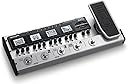
The Zoom G5 Guitar Effects and Amp Simulator is a powerhouse multi-effects pedal featuring a 12AX7 tube booster for authentic overdrive, a 3D Z-pedal for intuitive control, and the ability to store up to 297 custom tones. Designed for both stage and studio, it includes a looper, drum machine, USB audio interface, balanced XLR output, and comes bundled with Cubase LE software—making it the ultimate all-in-one guitar tone solution for serious musicians.


| ASIN | B007WVGC3E |
| Customer Reviews | 4.1 4.1 out of 5 stars (76) |
| Date First Available | 7 Aug. 2012 |
| Hardware Interface | USB |
| Item Weight | 2.77 kg |
| Item model number | G5 |
| Power Source | Adaptor,Corded Electric |
| Product Dimensions | 13.34 x 59.69 x 23.5 cm; 2.77 kg |
| Signal Format | Analog |
| Standing screen display size | 1.5 |
| Voltage | 9 Volts |
A**R
The best in this price range
K**K
Absolutely love this thing
G**G
For $300 bills, you cannot get more high quality guitar effects than this. 32 bit floating point processor!!! Boss and most others are still at 16 bit last I checked. And you can hear it in the clarity of the sounds. They shimmer and sparkle and sound sweet and clean and open. The amps can get a little noisy, but that is true of any amp sim. Amps are just noisy and when you sample them, the noise comes with. Good news is there are two different noise gates. One is called ZNR and it is a proprietary Zoom noise gate. I have found it useful after the amps to kill the noise. Honestly, with the G5 I find myself more and more not using amp sims at all, and I am going direct into my studio board, no guitar amp at all! Try that with any other effect processor, better yet don't, I already have and it sounds like crap, always. My fave sound right now on the G5 is just a Comp, Tube Screamer and a little delay. Oh and I haven't even mentioned the reverbs. They are so lush and real you will not believe it. Arena Reverb is my fave. Bottom line is, the G5 sounds better than any amp, or effects processor, or combination I have ever owned. Another great feature is the included software editor, which loaded up with no problems. Recognizes the G5 as soon as I turn it on, and opens the editor so you don't have to bend down to the floor to edit patches. Just click on the the stomp boxes and edit them right on the screen in real time. Re-arrange the effects order, type, change parameters and save all in seconds. Makes it a snap to dial in just the sound you are looking for. Tube booster is a bit of a buzz-kill. Have not found much use for it. It has to warm up for a good 20-30 minutes before it sounds right and sometimes that's more than my jam time. But it can add some nice harmonics to the right patches. I admit I need to play with it a little more. Some have said it takes a few weeks for this tube to sound right so maybe I haven't given it enough break-in time to judge. (Update on this part, the tube has finally broke in and sounds great if you integrate it right and let it warm up but do not expect the tube booster to sound good out of the box. Mine took a good 30 days to break in). I am a long time Zoom fan and used the Zoom 9030 as the heart of my effects rig for 10 years and loved it. I recognize some of the signature sounds in better form here in the G5 due to the higher rez chip. Don't wonder if there is anything out there for this price that sounds this good and has as many different effects than the G5. I looked, there is not at this time. There is around 140 sounds including the amp models and they can add more via updates, and you can download and share sounds with other users on the website. Really cool features I think because someone else might give you a totally new programming idea and that expands your horizons. . You have to spend hundreds more to not have as many sounds with other brands. I have been using the Roland VG-88, 99 and now back to Zoom with the G5 and loving it. Only thing I miss from the VG stuff is the 12 string sounds. No big loss for what I have gained. The G5 allows me to really hear the sound of my guitar. Something I have not been totally happy with in the VG's, they always sound so colored, but not the G5. Also, this thing is built like a tank. Solid aluminum chassis. Even the pedal is metal so it feels really good under foot. Very responsive feel. Another thing I have not been happy with the the VG's is the Wah sounds leave a lot to be desired. Really great sounding wah's on the G5 and the pedal has left and right functions so you can have it set up to do 2 things a once. Pretty awesome. Anyway, stop reading this and go buy one already will ya...
E**D
I am an older, experienced guitar player, have used many multieffects pedals. I really like this one, lots of options, very intuitive, you basically just turn the knobs like you would on a pedal. Lots of options and cool effects, and a fair amount are musically useful. It is not easy to change patches on the fly, might be a problem on stage if you use a lot of patches, but when I am on stage I like to keep things simple, better one flexible good-sounding patch that a bunch of patches. I wish it had an insert loop and an aux in. Still, it is my pedal of choice right now. A follow up after some use (10 months of use). I still like this pedal. For playing out, the patches are not easy to use, I'm using one basic set on the Zoom and supplementing with a couple of off-board overdrive pedals (OCD and Fulltone) to get a menu of over-driven sounds. I don't use the tube boost much, sounds kind of flabby in my set up (going into Mesa tube amp). One thing I don't like is it is easy to accidentally activate the looper by pressing the button too long, another reason I use the off-board pedals. I don't like the tuner function, you have to press two buttons simultaneously. The on-board overdrives sound pretty good, just hard to get to them on the fly; I think with enough tweaking, I could get a set up that would work with only this pedal; the options are endless. I agree with others that this pedal doesn't sound as good as a bunch of boutique pedals, but it also cost the same as one of them, while providing a boat-load of effects. I am also using this for home recording; it really shines there, adding the "Air" effect gives my guitar something (a kind of "live" sound?) I wasn't able to get previously. Also cool is the ability to change the order of effects easily. Only danger is you can spend a day tweaking the sound! I think I will wind up buying another so I can have one for the pedalboard and one in the studio.
A**R
Does a lot of cool things, definitely going to use the Edit and Share to set up custom sounds rather than the board itself, because it is so much faster. This thing is clunky to use and feels unresponsive. Any sort of real-time parameter changes for creative use are sort of out of the question on this, too jumpy. For e.g. modifying the delay time and feedback (common trick) is something best done on a real pedal if you want to do that. The effects are all quite high quality and on par with many digital effects with the exception of anything related to pitch. Pitch bend, harmonization, the organ sim, etc all sound terrible. The pitch dive Z pedal effect is ok but you don't want to spend any lengthy time playing in a new pitch either down or up (down is better though, but that's a given with most algorithms). Amp models are pretty good but don't have very good dynamics response. Compare them to something like Thermionik or Scuffam on the computer side of things and they don't hold any chance. That said they are plenty 'fine', I just want more. They are certainly good enough to use live and not having to use an amp is really nice :). The engineer will like it, too. Less sound sources on stage makes their job easier, so they can focus on getting you your best sound. Pedal is adjustable and feels good. Stable. It is a bit hard to feel whether you've pressed the switch under the pedal or not (which turns on/off any effect that is tied to the pedal automatically ... smart feature). IO is good but there is one issue, the output volume for the stereo outs and the headphone out is the same. This means that for live use you set it at 100 for a hearty line signal but then for home use with headphones you have to turn the volume down to around 8-12, so you have to remember to change that again next gig or your sound will be really quiet. Forgetting this could result in a lot of noise as the engineer will boost you a lot (and then curse about guitar players and their stupid toys).
Trustpilot
1 month ago
1 day ago